Online event connected research, industry and regional actors on circular composite materials
The event highlighted concrete opportunities and key barriers for circular composite materials, as experts shared insights from feedstock to industrial adoption.
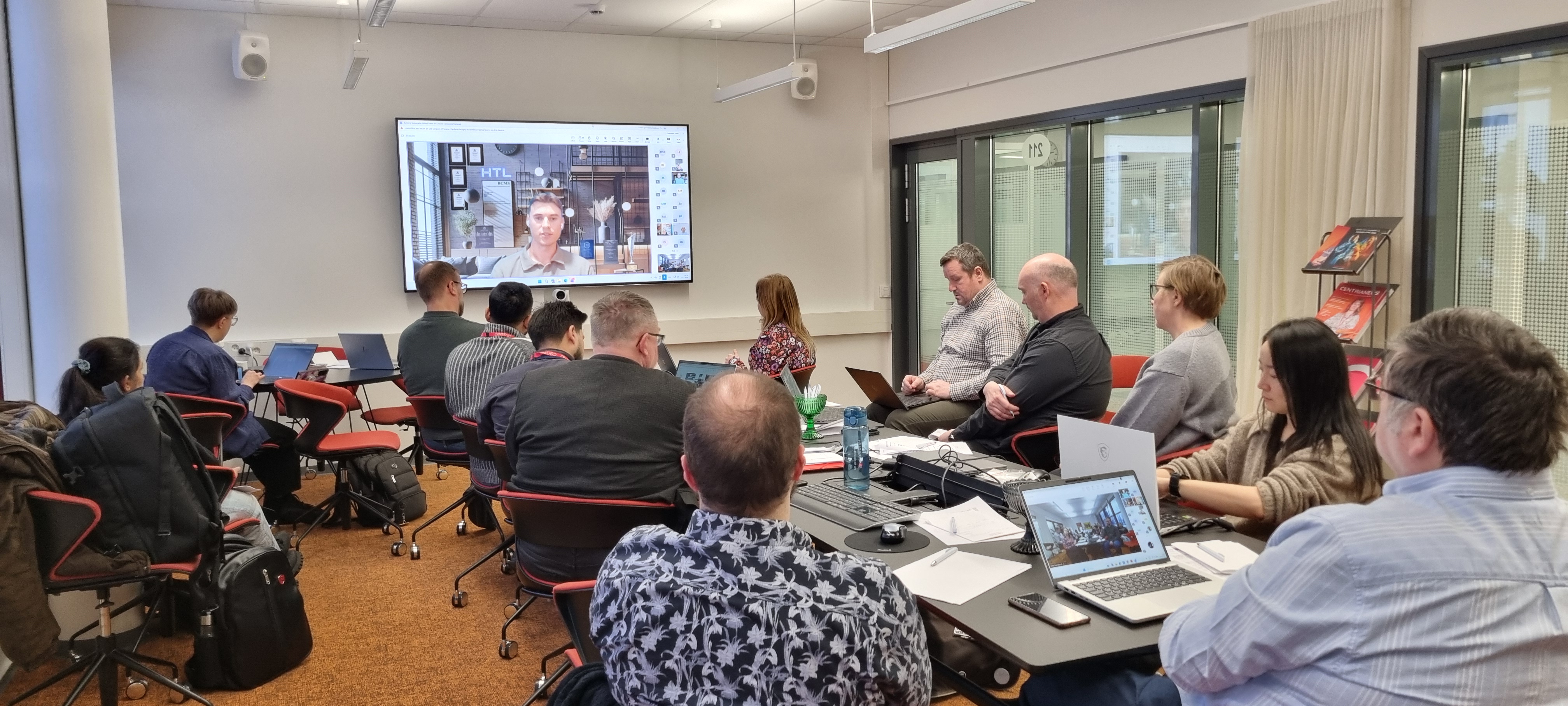
On 14 January 2026, BIO-2-PRINT organised an online event: Building Sustainable Value Chains for Circular Composite Materials. Hosted by Centria University of Applied Sciences, the webinar brought together researchers, companies and stakeholders from across the Northern Periphery and Arctic region to explore how natural fibres, bio-based additives and 3D printing can support the shift to more circular manufacturing and regional value chains.
The event opened with an inspiring welcome word from Dr. Marko Forsell, Vice Rector for Research and Development at Centria University of Applied Sciences. This was followed by a project overview presenting why the work matters and key findings from activities so far, including stakeholder engagement, fibre preparation and pilot-scale 3D printing.
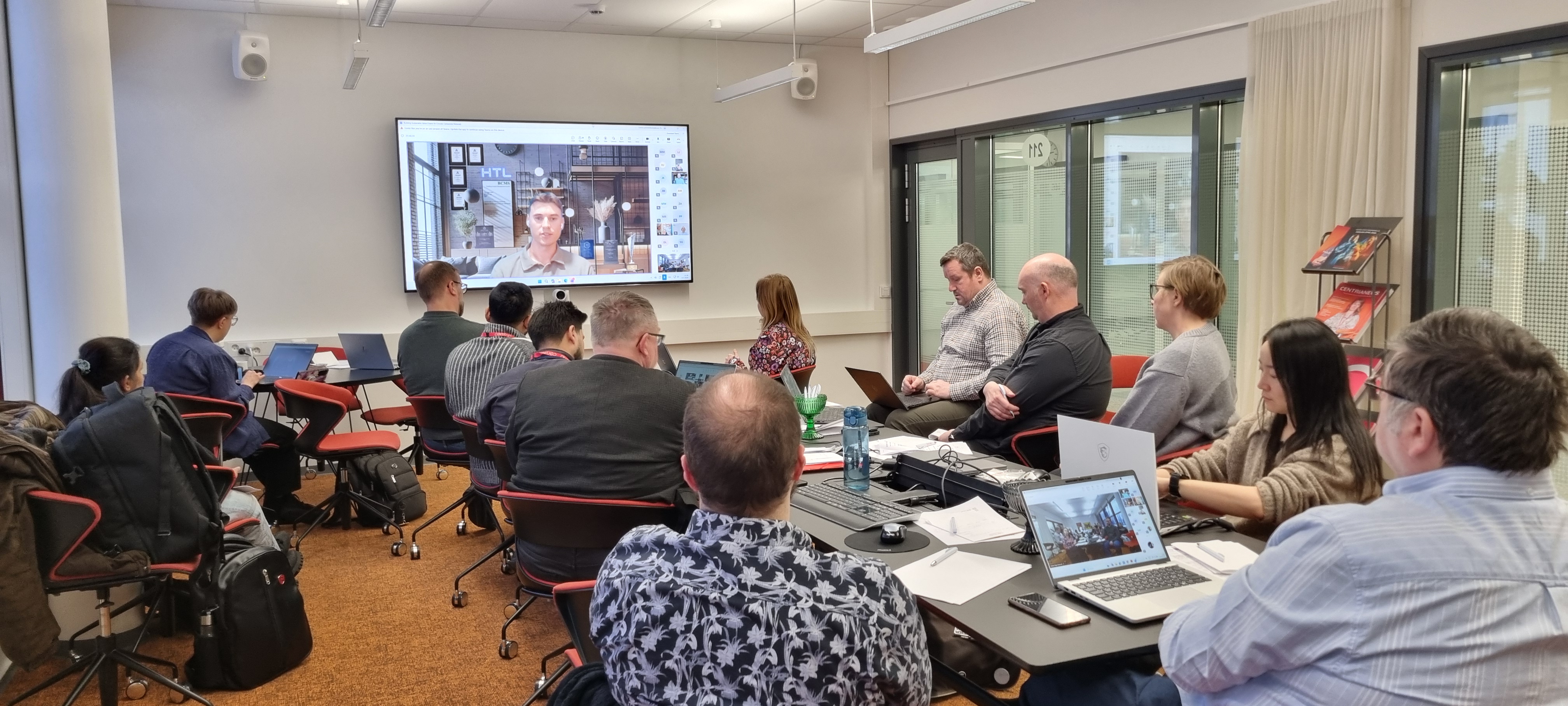
Dr Egidija Rainosalo, coordinator of the Composite Materials and 3D Printing research group at Centria, shared insights on “Bio-based materials and 3D printing for the future of sustainable manufacturing”, outlining how emerging materials and technologies can contribute to regional development and sustainable production.
A panel discussion examined the practical opportunities and challenges of connecting underutilised natural fibres, composite innovations and additive manufacturing into viable value chains. Moderated by sustainability expert Mira Valkjärvi, the panel featured participants representing diverse perspectives.
Shane Hasset from WAZP, Ireland, opened the floor to discuss why it is important to tackle the circular composites value chain now, as new technologies always take time to develop, but consumers and the market are now more willing to adapt to new bio-based materials.
Christian Hansson, a hemp farmer from Finland, highlighted the feedstock supplier perspective in the discussions. Dr Sami Selkälä, CTO of Innomost Oy from Finland, addressed the potential of tree bark and other biomass residues as chemical feedstocks, especially highlighting the existing potential of these materials in different applications. Some applications, such as those in the health sector, face their own challenges in becoming profitable businesses.
Looking at materials development, Prof. Mikael Skrifvars (University of Borås, Sweden) assessed the current readiness of bio-based fibres and chemicals to replace conventional fillers or additives in 3D-printed polymers and highlighted the importance of considering the locality of materials and infrastructure. Especially when considering rural areas, this topic of supporting local partners is also crucial.
The second part of the panel focused on challenges and barriers to adoption in the industry. Mark McGowan from Future Cast, Ireland, discussed the main technical and regulatory barriers to the adoption of natural fibers and bio-based additives in 3D-printed concrete, particularly in construction applications where standards and long-term durability play a key role. He especially highlighted that while many solutions may work in theory or in a lab setting, they may not be that easily scaled up, and in everyday work, mistakes and failures happen that cost money and time.
Jandré Oosthuizen, HTL.tech, Ireland, who has worked with Mark on the topics of 3d printed concrete, continued to discuss the important aspects of standardising concrete being used and the challenges of materials safety included in that. He also discussed the different barriers from a regulation perspective that are important to keep in mind while developing materials that utilize natural fibres.
Shane Hassett, WAZP, Ireland, discussed the matters of material requirements regarding consistency, supply and performance that need to be solved before the industry is willing to adopt bio-based materials.
The discussion highlighted the importance of cross-sector collaboration, practical feedstock sourcing, and bridging research and industry needs to strengthen sustainable material solutions in the region. The event concluded with closing remarks by Dr. Rathish Rajan, Project Manager of BIO-2-PRINT at Centria University of Applied Sciences.
The online format enabled broad participation and supported the project’s wider aim of fostering dialogue and partnerships that advance circular economy approaches in materials and manufacturing.