News

Stakeholder Mapping Strengthens the Bio-2-PRINT Consortium

Building a cross-regional network to support circular bio-based 3D printing
Date
02.03.2026

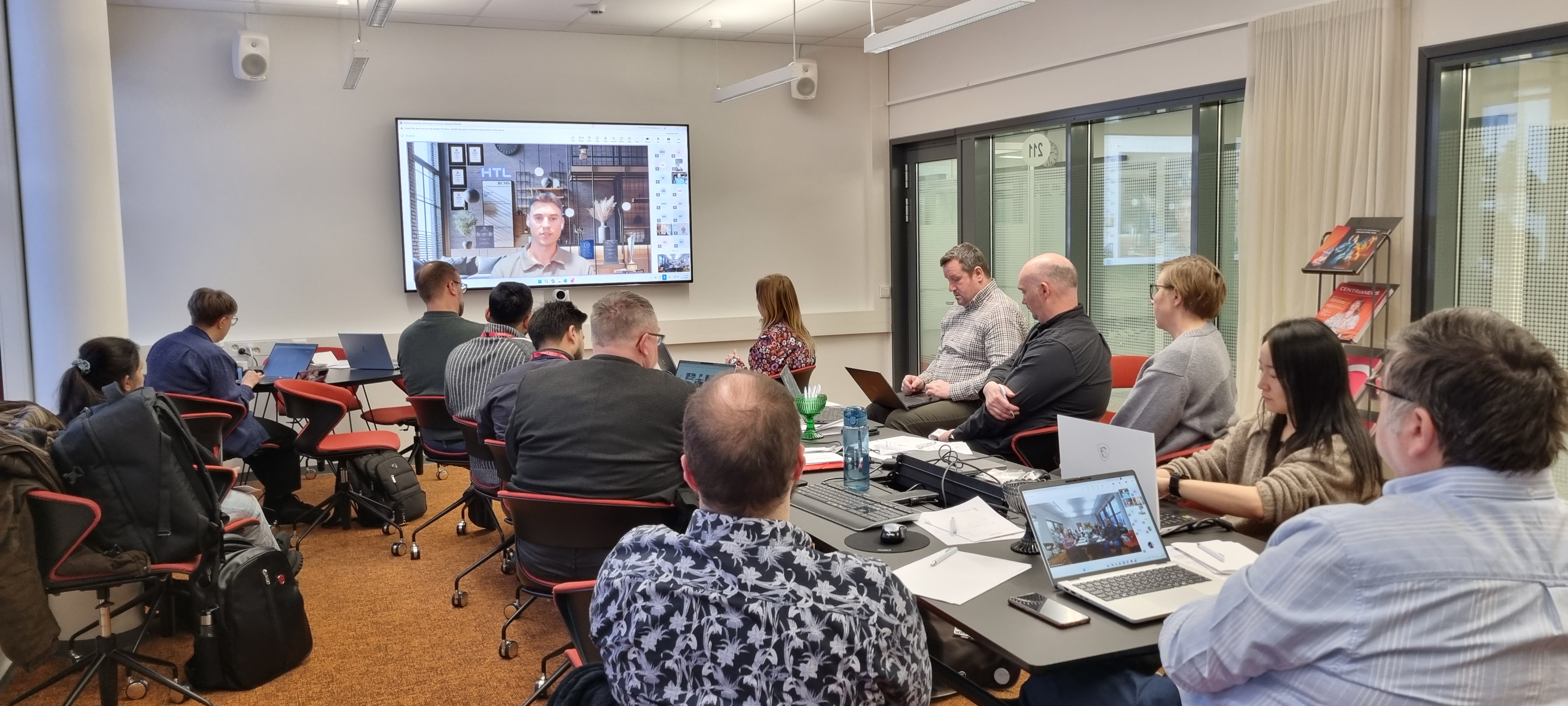
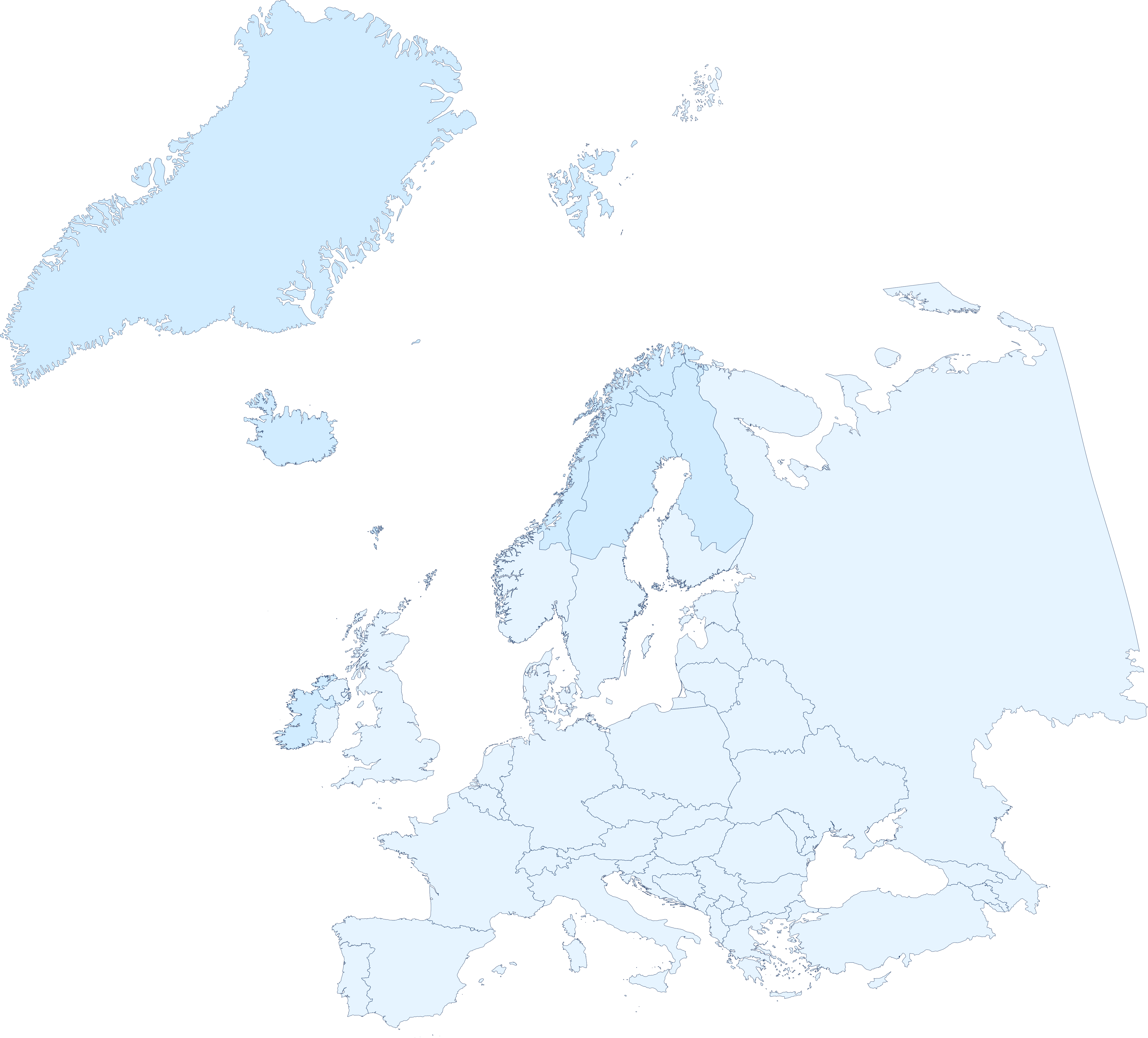
As part of the Bio-2-PRINT project, partners completed a stakeholder mapping exercise to identify key organisations across the Northern Periphery and Arctic (NPA) region. The objective was to develop a strong, cross-sectoral stakeholder map to support the project’s engagement strategy and advance bio-based materials for additive manufacturing within a circular economy framework.

The stakeholder mapping process identified organisations across research, industry, cooperatives, NGOs, and business support agencies. Engagement activities included direct meetings, email consultations, telephone outreach, and participation in cluster events. Through this structured process, stakeholders were categorised according to their level of involvement in the project.

The resulting network ensures representation across the full value chain, from bio-based feedstock suppliers and material developers to end-users and business support organisations.

Stakeholder engagement structure

The stakeholder map was structured using three levels of engagement:

Engagement Level

Description

Examples of Stakeholders

Core Team

Project partners responsible for delivery and coordination RDI institutes (MTU, Centria, UMU, LTU), NGO (Futurecast) and SME (Innomost) partners

Involved

Associated partners actively contributing materials, expertise, or testing capabilities Bio-based material suppliers, composite manufacturers, and construction companies

Informed

Stakeholders engaged through events, cluster networks, and dissemination activities Industry associations, business support organisations, and regional clusters

Read more about our project:

News
23.02.2026

The Hidden Treasures of the North: A New Life for Nature’s “Waste”

News
28.01.2026

Online event connected research, industry and regional actors on circular composite materials

News
26.11.2025

Bio4Energy Researchers’ Meeting Highlights Bio-2-Print Project