

News

Cork Schools Cut Energy Use by 70,786 kWh Through Student-Led Climate Action

Ten secondary schools in Cork have reduced their combined energy use by 70,786 kWh and cut 30.08 tonnes of CO₂ emissions during a 12-week energy reduction competition delivered under the HYBES project.

Date
14.02.2026
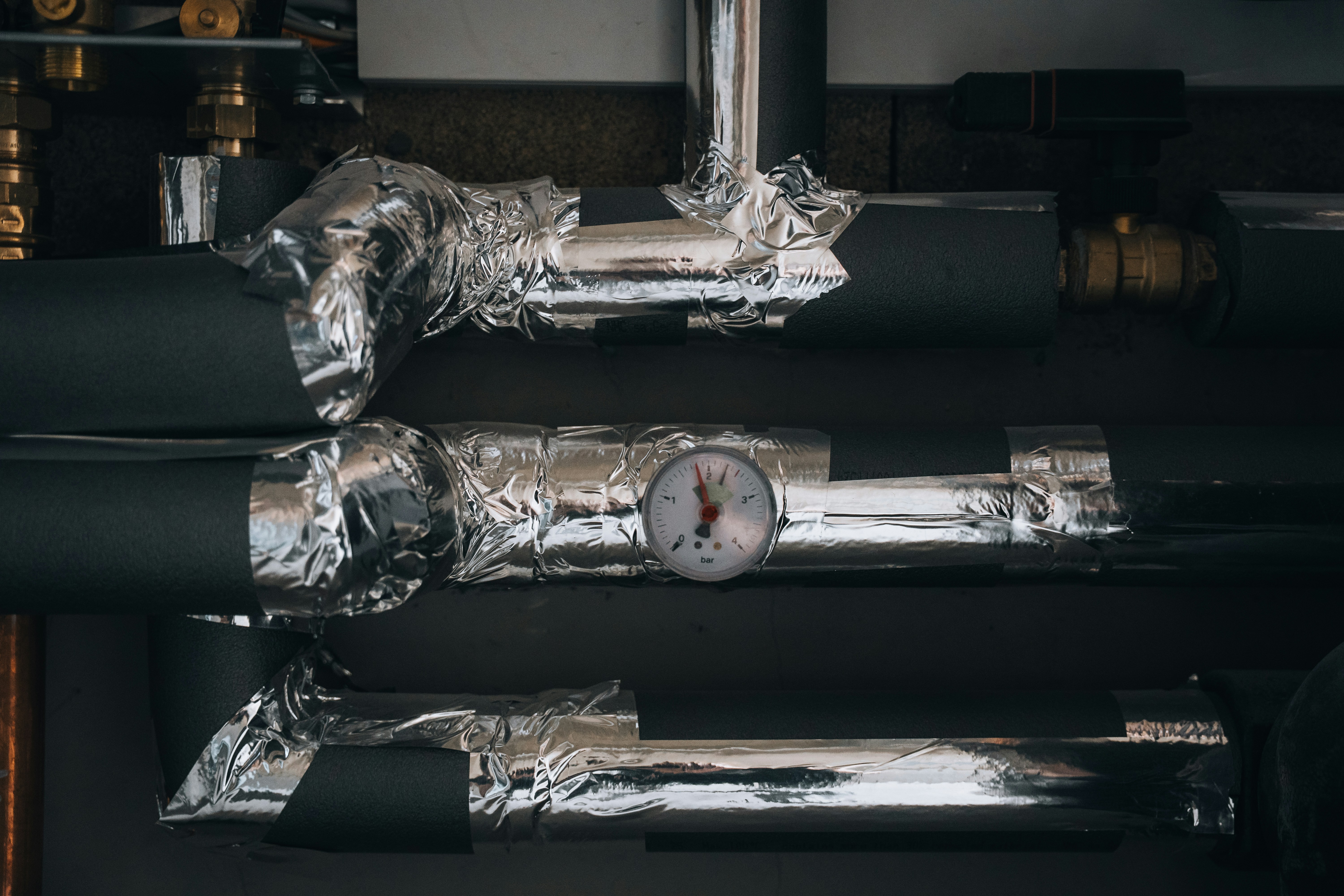
The initiative, led by NCE Insulation through “The Carbon Club,” combined real-time energy monitoring, structured student engagement and professional energy audits. The results show that measurable carbon reductions can be achieved quickly when data, accountability and education are aligned.

A Competition Built on Real Data

Each participating school:

  • Installed energy monitoring systems
  • Established a baseline for night-time “parasitic load” (energy used when buildings are empty)
  • Formed a student Energy Team
  • Completed structured energy-saving challenges
  • Received regular performance reports

Schools competed on reducing energy per student, with the top-performing school awarded a solar PV system.

Where the Savings Came From

A major focus was reducing baseload energy use — electricity consumed overnight and at weekends. In many cases, savings were achieved simply by:

  • Turning off PCs, projectors and whiteboards
  • Identifying heaters or equipment left running
  • Detecting anomalies through monitoring dashboards

Some schools reduced night-time load by more than 1 kW, translating into significant annual savings.

The findings confirm a consistent message: you cannot manage what you do not measure. Real-time monitoring allowed schools to identify waste that would otherwise remain invisible.

Education and Behaviour Change

Students played a central role. Energy Teams conducted audits, calculated emissions, designed theoretical solar systems and ran awareness campaigns inside their schools. The programme linked technical learning with real operational impact.

While results varied between schools — depending on building type, engagement levels and existing systems — the overall outcome demonstrates that behavioural change, supported by data, delivers measurable results.

A Model That Can Scale

The report concludes that the model has potential for wider rollout, though it notes challenges such as monitoring costs and administrative coordination. It also recommends greater use of sub-metering and energy tracking systems to unlock further savings in institutional buildings.

What This Shows

The Carbon Club initiative demonstrates that:

  • Significant energy reductions can be achieved without major capital upgrades
  • Student-led engagement strengthens institutional accountability
  • Monitoring infrastructure is foundational to effective climate action

In one school term, participating schools delivered measurable carbon reductions. The broader lesson is practical: structured monitoring combined with active participation produces results.

Other news from Hybes

News
15.02.2026

New Guide Shows What Actually Drives People to Decarbonise – and How to Respond

News
13.01.2026

From Classrooms to Homes: Empowering Communities to Decarbonise

News
04.01.2026

From Citizens to Culture: Building Lasting Climate Action in Cork

News
10.12.2025

Co-Creation Cafés: Building Living Lab Capacity Across Regions