
Exploring Remote Guidance at the RemoTED Workshop
The RemoTED team of Karelia UAS organised training related to remote guidance for instructors in Siun sote’s supported housing service on 8 May 2026.

Photo 1. We spent a wonderful spring day in May 2026 on the shore of Honkalampi in Liperi, North Karelia. Photo: Jaana Kurki
We spent a spring morning at the lakeside sauna of the Honkalampi Centre (Photo 1), where our guests were Siun sote's specialists Anne Korppinen, Heini Nöjd and Leena Koljonen-Sorsa. The aim of the workshop was to share experiences with the guests on developing and implementing remote guidance with different client groups in social care and to plan the technology pilot for the coming autumn.
Anne and Heini (Photo 2) spoke about the development of remote groups and their practical implementation in Siun sote’s rehabilitative work activities with working-age clients. Rehabilitative work activities in the North Karelia region are being developed as part of the “Regional Development of Rehabilitative Work Activities” project, implemented by the Wellbeing Services County of North Karelia (Siun sote) and Karelia UAS. This is a project co-funded by the European Union and it will continue until the end of 2027. Rehabilitative work activity is an employment-promoting social service for an unemployed person who, due to limitations in work and functional capacity, cannot participate in public employment services or work. The aim of the project is to co-develop a more unified, multichannel regional service model for rehabilitative work activities to meet the needs of client and the current and future working life. As part of this development work, new customer-oriented operating models and contents are being piloted, such as digital and mobile services to complement the on-site workshop activities of rehabilitative work services.
Anne and Heini explained how clients’ digital skills have been developed and their readiness has been improved so that participation in remote activities is possible for everyone. Within the target group of unemployed clients, it is important to ensure that everyone has a sufficient skill level and the necessary devices (computer or mobile phone) to participate in rehabilitative work activities delivered remotely. During the project, low-threshold training related to citizen-level digital capabilities has been provided. Anne and Heini also shared diverse examples of the kinds of activities that can be carried out in remote groups. The themes of the remote groups range, for example, from wellbeing topics to working-life skills.
Remote activities make use of group guidance methods similar to those used in face-to-face groups. However, organising a remote group requires more advance planning from the instructor and also preparation for possible problem situations, such as issues with data connections or questions related to participants’ skill levels. Overall, feedback from both clients and employees has been mainly positive. In advance, some members of the target group were hesitant about remote groups. What raised doubts for them in remote activities was specifically how encounters could succeed in the same way as face-to-face meetings. However, participating in remote activities proved to be a positive experience. The development of rehabilitative work activities and remote activities in North Karelia will therefore continue in the future as well.
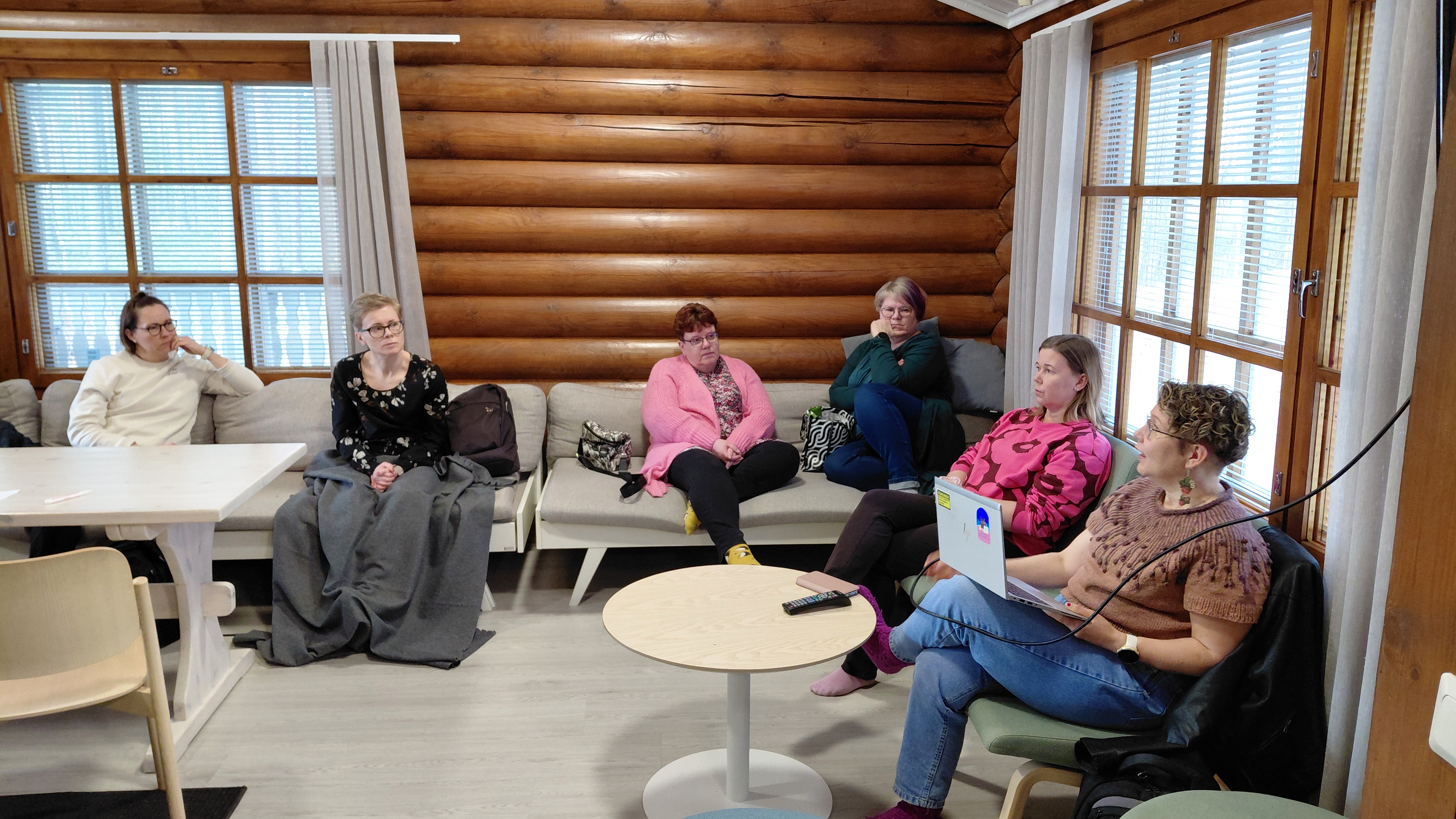
Photo 2. Anne Korppinen and Heini Nöjd sharing experiences of remote guidance. Photo: Jaana Kurki
After Anne and Heini’s presentation, the morning continued with Leena Koljonen-Sorsa. She told us about the development of remote day activities in Siun sote's disability services, where diverse remote activities have been implemented ever since the COVID period. Regular remote day activities are organised in disability services: a new week programme is published every week. The activities include, for example, music sessions and exercise open to everyone. Longer-term remote groups are also available, for example on health and wellbeing themes. Client feedback is collected annually, and the activities are always planned based on clients’ needs and wishes.
Leena emphasized an important message: interaction is still the most important thing, even when the activities take place remotely. Interaction, encounters, and the planning of remote activity content require investment and sufficient time. At their best, remote groups offer clients of disability services a regular and meaningful place to connect regardless of where they live or the distance involved.
Leena has previously been interviewed in the “Digivaikuttajat” podcast, and an English-language article has also been written about the content: Encounters at a Distance - Karelia University of Applied Sciences. In the article, you can read, and in the Finnish-language podcast, listen to more about Leena’s experiences of remote activities in disability services and their development. https://open.spotify.com/episode/3vckmRTvURFJC6yL6p5dob?si=OF8pKVxqS_myMe4jqB3fBQ&nd=1&dlsi=793162decff84b8e
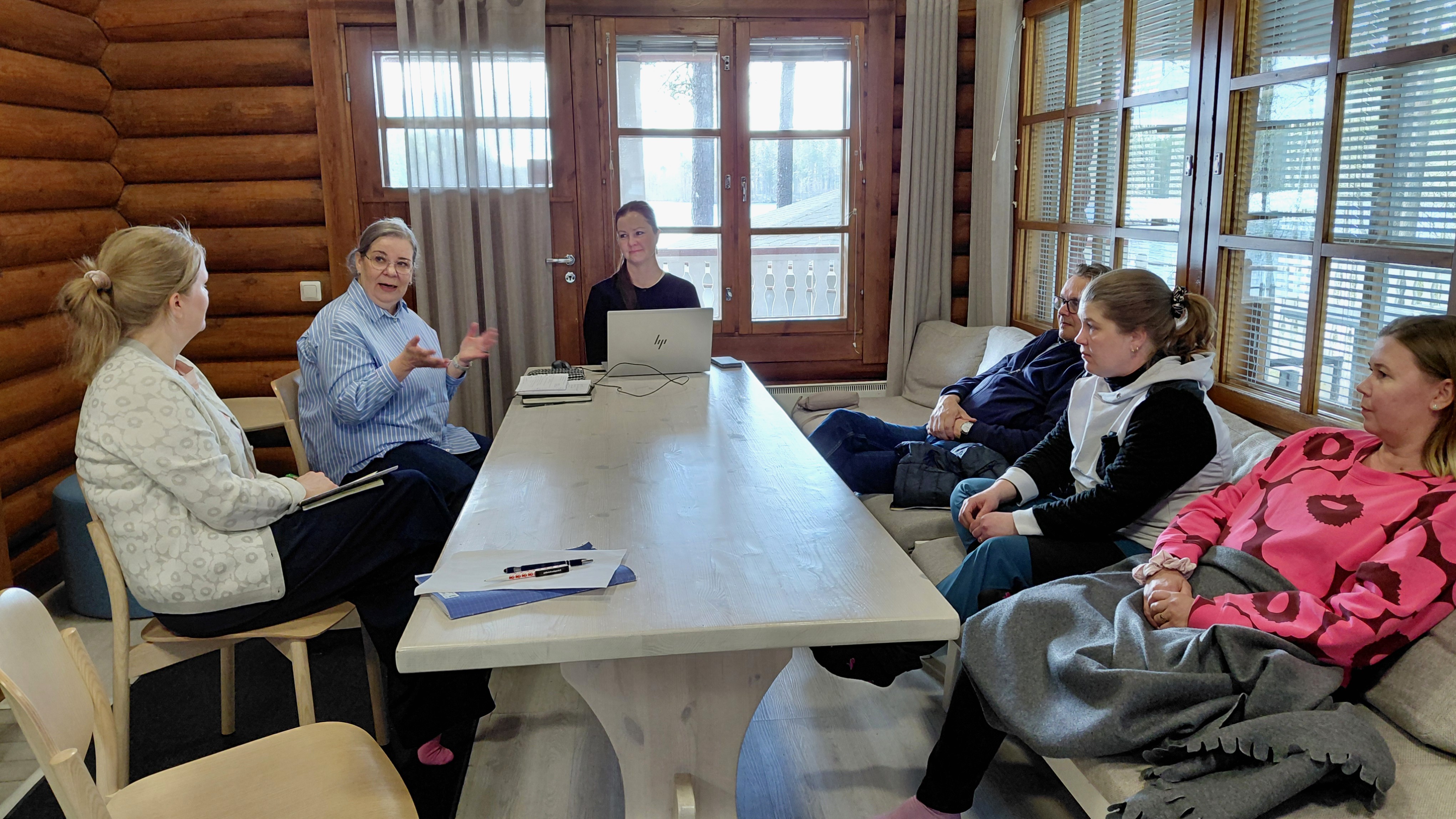
Photo 3. Leena Koljonen-Sorsa talking about practical experiences from everyday life in remote groups in disability services. Photo: Jaana Kurki
What was surprising and positive was receiving confirmation that almost anything can be carried out remotely – in much the same way as face to face. However, the content and methods of implementation, such as ways of involving and activating participants, must always be carefully planned with the target group’s skill level, needs and wishes in mind. It is also necessary to invest in the competence of instructors, and sufficient time must be reserved for planning remote activities, especially in the initial phase of launching a new remote group.
However, the message of the morning for the further development of the RemoTED project and future pilots was clear: almost everything that can be done face to face can also be done remotely, but not without good planning and the necessary expertise! In addition, it is good to remember that the purpose of remote activities is not to completely replace face-to-face encounters, but to complement and diversify existing on-site services. At their best, remote activities can improve the accessibility of services and increase clients’ opportunities for participation and encounters in sparsely populated areas.


